
eBay seller accounting in Australia: fees, GST and how to stay compliant
Selling on eBay Australia looks simple from the outside. List a product, make a sale, get paid. But once you’re doing any meaningful volume, the accounting behind it is more involved than most sellers expect and getting it wrong has real consequences with the ATO.
This guide covers what Australian eBay sellers actually need to know: when your activity becomes taxable, which fees to track, how GST works on the platform, and what the common mistakes look like before they show up in a tax audit.
When eBay selling becomes a taxable business
This is the question a lot of Australian eBay sellers avoid asking because the answer changes things.
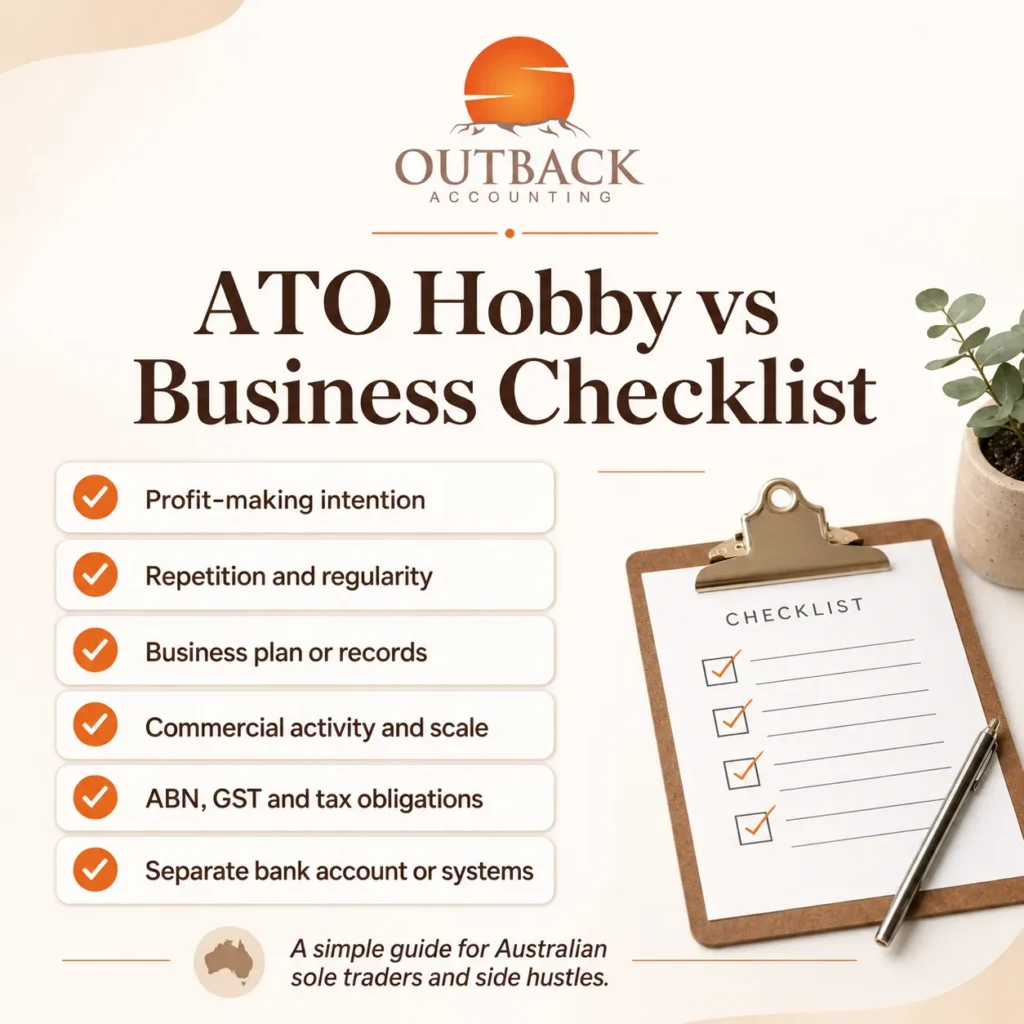
The ATO distinguishes between a hobby and a business. Selling occasional personal items you no longer need is generally not assessable income. But if you’re buying stock to resell, selling regularly with a profit motive, or operating with any commercial purpose, the ATO treats that as business income regardless of whether you’ve formally registered a business.
Signs the ATO uses to make that call include: selling repeatedly, sourcing stock to resell, business-like pricing and record keeping, and an intention to make a profit. Most regular eBay sellers meet several of these without realising it.
Once your eBay activity crosses into business territory, your sales income is assessable, your fees and expenses are deductible, and once turnover hits the GST registration threshold, you need to be registered. If you’re unsure which side of the line you’re on, it’s worth getting clarity before your next tax return rather than after an ATO review.
eBay fees you need to track
eBay charges sellers across several categories. All of them are deductible business expenses but only if they’re recorded correctly, which means knowing what you’re looking at.
Final value fees are the main one. eBay charges a percentage of the total sale amount postage included on every successful transaction. Rates vary by category, generally sitting between 9.9% and 14.9%. For a seller moving real volume, these fees are significant and need to sit in cost of sale, not general expenses.
Listing fees apply when you exceed your free monthly listing allowance. Most smaller sellers stay under the limit. Larger catalogues will see insertion fees on additional listings.
Promoted Listings fees are charged when a buyer clicks a promoted ad and purchases within 30 days. These are advertising costs not platform fees and should be categorised separately so you can actually see what your advertising is costing you.
Listing upgrade fees cover extras like bold titles and subtitle additions. Marketing costs, separate category again.
International selling fees apply when you sell to overseas buyers. Different rate, different category from domestic fees.
Under eBay Managed Payments, all of these deductions happen before the deposit hits your bank account. The net figure you receive is not your revenue. Recording it as income is the single most common eBay accounting mistake and it understates costs, overstates profit, and produces a wrong BAS.
How GST works on eBay Australia
eBay operates as an electronic distribution platform under Australian tax law. In most cases, eBay collects and remits GST on sales made through the platform directly you as the seller don’t collect GST separately from the buyer.
That doesn’t make GST irrelevant to you though. A few things still matter.
eBay charges GST on its fees to Australian sellers. If you’re registered for GST, that GST is an input tax credit you can claim on your BAS. Sellers who code the net deposit to income and never look at the fee breakdown are missing those credits on every single lodgement.
The GST registration threshold is based on your gross turnover total sales before eBay deducts anything — not the net amount that lands in your bank. Once that gross figure crosses $75,000 in a 12-month period, registration is required.
Sales of physical goods to buyers outside Australia are GST-free exports. They still need to appear on your BAS as GST-free supplies they don’t simply disappear from your reporting obligations.
If you sell across platforms as well as eBay, your combined turnover determines when GST registration kicks in, not just your eBay sales in isolation.
Gross sales vs the Managed Payments deposit
Under eBay Managed Payments, sellers receive a single net deposit after eBay has deducted final value fees, listing fees, promoted listing charges, and other adjustments. That deposit amount is not your income.
Your income is the gross sales figure what buyers actually paid, including postage, before eBay took anything out. eBay’s deductions are business expenses. Recording just the deposit means those expenses vanish from your books entirely.
The practical problems this creates: your P&L doesn’t show a real gross margin, your fee expenses aren’t visible for comparison across periods, your GST credits on fees get missed, and your income tax return understates revenue. None of those problems are obvious until something prompts a closer look.
Getting this right means reconciling each payout against the full transaction report not just matching a bank deposit. A2X handles this automatically for eBay sellers using Xero, posting itemised journal entries for each payout cycle so your books reflect what actually happened.
Connecting eBay to Xero
Xero doesn’t have a native eBay connection, but a few reliable options exist.
A2X works with eBay the same way it does with Amazon automatically fetching transaction data, categorising sales, fees, refunds, and adjustments, and posting clean journal entries to Xero. Each payout is fully broken down, your reconciliation matches to the cent, and fees are captured in the right accounts without manual work.
Link My Books is another option that supports eBay-to-Xero integration and suits sellers on multiple platforms.
Manual CSV import from eBay’s Seller Hub works for low-volume sellers who don’t mind the time. The transaction reports are detailed enough, but the process is manual and error-prone compared to an automated feed.
The goal with any of these is the same: every eBay payout results in correctly categorised income, correctly recorded expenses, and a clean bank reconciliation — not a deposit sitting unmatched in your accounts.
Record keeping for eBay sellers
The ATO requires business records to be kept for five years. For eBay sellers that covers transaction reports, payout reports, purchase receipts for all stock, postage and packaging receipts, and bank statements.
eBay’s Seller Hub provides payout and transaction reports, but they’re not stored indefinitely. Download them regularly. Waiting until you need them for a tax return or an ATO query is how sellers find out the reports are no longer available.
If you source stock from suppliers, markets, or clearance sales, keep every purchase receipt. COGS claims without purchase records to back them up are exactly what the ATO pushes back on.
Common mistakes Australian eBay sellers make
Coding the payout as revenue is the most common error by a significant margin. Revenue is gross sales. The payout is what’s left after eBay takes its cut.
Not claiming GST credits on eBay fees. If you’re registered for GST and not claiming these on your BAS, you’re overpaying every quarter.
No COGS tracking. If you don’t know what you paid for your stock including freight and import costs for overseas sourcing you don’t know your actual margin. Pricing decisions made without real COGS data are often wrong.
Running eBay income through a personal bank account. It makes record keeping harder, creates GST complications, and draws ATO attention.
Treating promoted listings as platform fees. They’re advertising. Different account, different category, different analysis.
Not separating export sales from domestic sales on the BAS. Overseas buyer sales are GST-free exports and need to be reported that way.
Frequently asked questions
Do I have to declare eBay sales income in Australia? If your eBay selling is commercial regular sales, stock bought to resell, profit motive the ATO treats it as business income and it needs to be declared. Occasional sales of personal items are generally not taxable. Regular selling almost always is, regardless of whether you’ve registered a business.
Does eBay collect GST on my behalf in Australia? Yes, in most cases. eBay operates as an electronic distribution platform and collects and remits GST on sales made through the platform. As a seller you don’t charge GST to the buyer separately. However, eBay does charge GST on its own fees to Australian sellers those are input tax credits you can claim on your BAS if you’re GST-registered.
What is my income as an eBay seller gross sales or the deposit? Gross sales is your revenue. The Managed Payments deposit is net of eBay’s fees and is not your income figure. Recording the deposit as income means your fee expenses never appear in your books, your profit is overstated, and your BAS may be wrong.
When do I need to register for GST as an eBay seller? Once your gross eBay turnover total sales before eBay’s fees exceeds $75,000 in any 12-month period. The threshold is based on gross turnover, not the net deposits you receive.
How do I integrate eBay with Xero? A2X is the most reliable option. It automatically pulls your eBay transaction data and posts itemised journal entries to Xero, covering sales, fees, refunds, and adjustments. Link My Books is an alternative for multi-platform sellers. Both are more accurate and less time-consuming than manual CSV imports.
Can I deduct eBay fees as a business expense? Yes. Final value fees, listing fees, promoted listing fees, and all other platform charges are deductible. If you’re GST-registered, the GST component of those fees is also claimable as an input tax credit on your BAS.
How long do I need to keep eBay records? Five years, under ATO requirements. That includes transaction reports, payout summaries, purchase receipts for stock, postage and packaging costs, and bank statements. Download your eBay Seller Hub reports regularly they’re not stored indefinitely.
Get your eBay accounting right from the start
Outback Accounting works with Australian eBay sellers on everything from initial Xero setup and A2X integration to monthly reconciliation, BAS lodgement, and tax returns.
Our eBay accounting services are built around how eBay businesses actually work Managed Payments, fee structures, GST on marketplace transactions, and the record keeping the ATO expects.
Talk to our team to get your eBay books set up correctly.